

TEL | WhatsApp +1 829 213 5823


.

Some of our favorite dive sites are just located a short boat ride from the beach shop. Within several minutes on the boat we can be diving at a great variety of sites. All our diving activities are supervised by our marine biologist. Our diving here is comprised of amazing reef systems and beautiful wrecks,The visibility here averages 20-30 meters and water temperatures averages 26-29c.Below is a list of the sites where we can dive the whole year around, obviously the choice can be influenced by the sea conditions and the level of the divers. The sites are chosen from time to time at the request of divers and to offer our customers the best visibility and sea conditions possible.
We dive more than twenty dive sites with guides who have extensive knowledge of our local reefs. We depart for the local dive sites at 8:30 am from Bayahibe and we are back around 1:00 pm. The duration of the scuba trips depends on the dive sites. Dive time is typically 45–60 minutes, depending on air consumption.

The Atlantic Princess was a small cruise used by tourists in the area. In 2008, it ran aground on the beach during Tropical Storm Fay. The plan was to sink the boat and create a beautiful underwater environment and an artificial reef for the enjoyment of visitors. But the Atlantic Princess sank on its own on May 6, 2009 and rests just 12 meters below the surface. To this day, it is still a great diving spot for everyone, you will not be disappointed! The boat is richly inhabited by several types of fish, including parrotfish, small crabs and small rays. Surrounding her in every direction is reef divided by sand channels. It is a must for any diver in Bayahibe, and is only two minutes from Coral Point diving. The old passenger liner is 30 meters long and 9 meters high. In its shallow waters, the ship has been hit hard by the storms that have passed through the region the past years. Although still mostly intact, there are parts of the ship where you can witness the impact the storms and years have had on the Atlantic Princess. A great spectacle of silver bodied fish greet you when looking through her windows and cracks. Small blennies also live in the coral that lives on the reef. Exploring the reef around the wreck you can find many sand divers and parrot fish swimming over top. Hidden on the sandy bottom and in the sand channels are many spotted stingrays and garden eels. Spider crabs are also a common site inside tube sponges. Nudibranchs and lettuce slugs can also be found sliding their way along the reef. With no current and visibility usually between 15 and 20 meters, the Atlantic Princess is the perfect place to discover scuba diving, get a taste of wreck diving, or spend time snorkeling above. Greeting all visitors are the sergeant majors and bar jacks that call this site home. Such friendly fish and pretty wreck make this a great spot for photos.

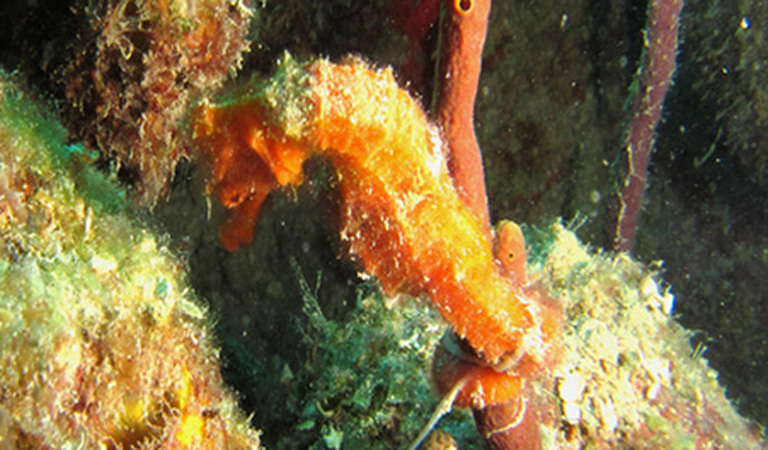
Perfect for every level of diver, Viva Shallows offers a place to practice skills, perfect buoyancy, and discover some of the best diving Bayahibe has to offer. Sitting just off shore and only minutes away, Viva Shallows is a magical site filled with wonders to discover. The small, 3 meter high wall and the reef top offer many holes perfect to offer a safe hide away for animals small and large. Sandy bottom next to the reef invites rays and manatees to come in close, as well. Descending down the buoy line to the bottom 5 meters away, you will see the living museum. In the shallow, Spanish cannons sit and form an artificial reef. Whilst diving amongst the cannons, you can read about their history and feel the weight of the cannon balls used at the time. Seahorses seek solace here and are seen with their tails wrapped around the sponges. Heading down the wall to a maximum depth of 9 meters, Gorgonian fan and other healthy corals give this wall the feeling you are swimming through an aquarium. The wall itself hides lobsters and eels; it also is home to many spotted stingrays and porcupine fish. Visibility can be as far as 20 meters, making it an ideal location to catch glimpses off in the distance. Looking out towards the sand can also bring luck in the way of larger rays and manatees. The reef top sits in about 5 meters of water and is a great place for baby animals. Making way back towards the museum, baby box fish can be found hiding in the rocks as drum fish maneuver their way amongst the corals. If there ever is any current encountered at this site is extremely light and simply aids in an easy return trip back to the boat.

Dominicus reef is a beautiful reef sitting straight off from Dominicus beach. The dive site is 14 meters deep with both coral and sandy bottom. A large main reef extends out into the sand like fingers reaching towards the shore. The larger portion of the main reef is host to large soft corals and anemones. Amongst those are hard corals and rock that make up a healthy environment filled with fish and life. Lobsters and porcupine fish can be spotted often here. As you move outwards and explore the reef fingers that jut into the sandy bottom, rays are often easy to find in the sand. Scorpion fish and grouper are fun to try and spot on the reef. Younger and smaller animals tend towards the reef fingers. Baby lionfish can sometimes be spotted as well as small eels. Occasionally the current at Dominicus can be strong, making it a perfect spot for a drift dive.

Length 73 m / 240 ft, Stern 31 m / 102 ft, Depth 44 m / 144 ft, Top of the wreck 15 m / 50 ft. Distance from Coral Point diving 800m / 0.5 mile. Diver Level: Advanced Divers. Each dive to St George boasts endless opportunity to gaze in awe at the wreck, but you never know what will swim by. Eagle rays and barracudas have been known to visit and rumor has a green moray eel has taken up residence in the chimney of this impressive ship. After being intentionally sunk back in 1999, the wreck of St George has become one of the best dive sites in the area. Originally used to transport grain and barley between Norway and the Americas in 1962, the ship was abandoned in Santo Domingo after 20 years of use. Now she rests 800 meters offshore from Coral Point diving in Bayahibe under 40 meters of water. When she was sunk they changed her name to St George after the hurricane that hit the area the year before. Upon descending down the buoy line, the first thing that comes into view is the top of the chimney that sits down 15 meters below the surface. As you continue descending, the enormity of the 73 meter long wreck comes into view. With the majority of the wreck sitting between 25 and 35 meters deep, the average dive at this site lasts 30 minutes. Due to her depth, St George is recommended only to those who are certified advanced open water divers. Surface currents are commonplace at this dive site and occasionally a strong current can be encountered at depth crossing over the open deck. Every dive on this wreck is a special dive. Many beautiful corals has grown on the wreck over the years, you can watch barracudas and many school of fish going through each other, never mixing together. If you are not certified advanced diver yet, why don’t you take the PADI AOWD course with us?.

A great place to have a drift dive when a light current is present, Luca’s reef is quite expansive and filled with hard and soft corals. Most days, however, very minimal current is at this dive site. Home to two different coral nurseries, Luca’s is a dive site to be visited. The coral garden tucked below 11 – 14 meters of water is gorgeous. Long fingers of healthy reef jutt out into the sand from the main reef, creating the perfect habitat for a wide variety of fish. With the main part of the reef sitting quite close to the bottom, this site offers a lot of open water between the reef top and the surface. Because of this, squid can often be seen swimming through mid water. Larger fish, such as barracudas, have been known to pass through as well. Visibility is as far as 15 to 20 meters. The coral nurseries offer protection for many young fish. Hidden amongst the corals in these areas are baby box fish, butterflyfish, and colorful wrasse. Heading over the main part of the reef you are more likely to find green and spotted moray eels, lobsters, and porcupine fish. Sandy patches between the fingers of the reef draw in many rays; spotted stingrays, southern stingrays, and eagle rays have all be sited at Luca’s.

Formerly called Guaraguao National Park it has historical significance. Located at the West end of the Cotubanamá National Park, it is the beginning of the reef system stretching to Saona Island. You can see Cannons, cannon balls and a rack of muskets moved here from sunken Spanish ship wrecks. Light to medium current makes for a relaxing treat to astounding movement of colors. Soft & hard coral on a sand bed is home to a full array of fish & critters. On this health reef the visibility is typically 30 – 50 mtrs so bring your cameras. Formerly called Guaraguao National Park it has historical significance. Home to the Gauarguao Hawk, also known as the Red Tail Hawk or Chicken hawk.

Safely inside the National Park of the East, Penon is a must do when visiting the Bayahibe area. Being in the national park means that this site is protected from fishing and thus the life at this site is abundant. The maximum depth here is 14 meters with the reef top starting at 11 meters. A small wall leads the way away from the buoy, turning back over the reef top, using any light current to return to the boat. The reef wall is a magical place to find fish large and small. Swimming just over top are parrot fish and wrasse. Bobbing in and out of the holes you can find eels, drumfish, and squirrelfish. Taking shelter in the soft corals you can find trumpet fish and baby filefish. Manatees and southern stingrays love the sand just to the side of the reef wall. One of the best sites to see big things, Peñon is one to look outward to the open water. Visibility usually 20 meters or more, looking out can boast glimpses of passing turtles and sharks. Eagle rays often come and visit the reef here as well. Sandy bottom stretches outward from the reef’s wall edge make it a perfect location for large stingrays to bury themselves in the sand. One of the best dive site in the Dominican Republic. Peñon is a dive site for divers of all abilities. Minimal current, great visibility, and amazing underwater life make this site you have to take your camera to. The shallow reef top makes Peñon a perfect place for snorkelers to watch the divers below and explore the reef.

A known hot spot for turtles, Tortuga (meaning Turtle) is a must dive site location within the National Park of the East. A half an hour boat journey from Coral Point takes you to the site that offers the best chance of seeing the larger life in the area. The maximum depth at this site is 12 meters, with the visibility often 20 meters or more. Due to its location inside the national park, fishing at this site is forbidden. The life underwater at Tortuga is healthy and lively. Without much current, this site is perfect for a nice leisurely dive where you can truly enjoy all the life that surrounds. As the name suggests, turtles can be found at this dive site. While looking for turtles and nudibranchs, don’t forget to look up as eagle rays have been known to swoop through. Large lionfish and green morays are also found at Tortuga tucked in and around the rocks and corals. The easy diving conditions and great reef at Tortuga invites divers of all abilities and levels. Snorkelers can even enjoy the reef from above with the visibility as good as it is here!

After the hurricane Matthew hit the Dominican Republic in 2012 and left the sailboat Dragon Smoke unusable, the boat was intentionally sunk just off the shore of Bayahibe. The boat itself is quite small and sits in a small patch of sand surrounded by beautiful coral. Under the curves of the boat, drum fish and lionfish are abundant. Many glass bottles have also been collected and added to this newly created living reef. Coral restoration efforts then lead you away from the wreck and into the vibrant coral surroundings. Matthew is a dive site for treasure hunters. Small anemones, sponges, and soft and hard corals cover the rocks that surround a second, larger sand patch at the center of the dive site. In every single nook and cranny of there is something to be found. Here there are many small shrimp and crabs working to keep larger animals clean. It is also a favorite spot for nudibranchs and lettuce slugs to inch along. In the sand, rays can occasionally be found and with luck a turtle might swim through. There can be a light current at this site, so gliding over the reef below is most often easy and the perfect rate to float.

If you’re searching for a tropical paradise for your next getaway, you’ll find everything you’ve been looking for in Catalina Island. It may be a small island in the Dominican Republic, but Catalina Island has got more to it than meets the eye. Besides being gorgeous, this island is majorly set up for the best kind of snorkeling and diving. Catalina Island sits near a protected marine area, meaning there’s plenty of coral, untouched reefs, and lots of your favorite ocean friends who love to hang out here. On the east side of the island is a reef nicknamed “the wall”, while the western side of the island boasts a snorkel spot nicknamed “the aquarium”. Both help you imagine what’s waiting for you when you dip below the waves — schools of colorful fish flitting around bunches of coral. Sometimes, snorkelers spot stingrays settling in the sand bed. Dreamy.
Sitting 16 meters below the buoy at this site sits a small wrecked wreck, the. Coca Wreck. Although much resemblance to a ship has been lost, the pieces of the boat that scatter the section of reef are worth exploring. Having seen many storms pass through, the area that the pieces are scattered over is quite large. Hidden in and around the boat are lionfish and eels. Many more shy fish, such has balloon fish can be found under larger hanging pieces of the wreck. The reef at this site spans the entire sea floor. Massive fan corals and sea plumes waft back and forth in the light surge. Depths at this site can go as deep as 20 meters while exploring the coral garden. The 15 meter visibility makes spotting the calamari passing through easy.

This a is a very shallow site, but perfect for those begining their diving experience. The site close to shore with a maximum depth of 5 meters. The site is loaded with a variety of hard and soft corals, enough to keep you amazed for the whole dive. The marine life is plentiful with boxfish, fussiliers, damselfish, and coralfish.

Tucked away just around the corner from Coral Point and off from the Magallanes Beach we have the dive site Magallanes. Going no deeper than 9 meters, Magallanes is the perfect place to build confidence in diving. Conditions are calm and easy as well, as it is situated in a small cove. The conditions at Magallanes make it perfect for snorkeling as well. Descending down the buoy line to the bottom, you will reach a depth of only 5 meters. From there, passing over a small sandy patch, a wall of reef on either side will open up. Following one of the walls along over the sandy bottom, many butterfly fish and creole wrasse will greet you as you pass by the reef. The reef here is also home to many sea urchins, sea horses, blennies, and eels. This lovely, shallow dive site is a perfect place to discover scuba, learn to dive, or get back into the water after a long break

Over 800 fish species in Dominican waters, mostly marine and reef species. Common sightings include sharks, moray eels, parrotfish, surgeonfish, rays, groupers and barracudas. Edible species in the region include snapper, red snapper, sea bass, tuna, groupers and jacks. Freshwaters host Cuban cichlid, carp, tilapia, mullet and trout.

Coral reefs are colonies of marine animals related to jellyfish and anemones. Along the south coast you can swim among thriving reef ecosystems with parrotfish, sea urchins and sponges. Divers often spot barracudas, rays, morays, trumpetfish, lionfish, and the fascinating porcupinefish.

At Coral Point, every dive begins with a clear and practical eco‑briefing. Our marine biologists prepare fish and coral ID charts that help divers understand the reef, avoid accidental contact, and enjoy a safer, more sustainable experience.
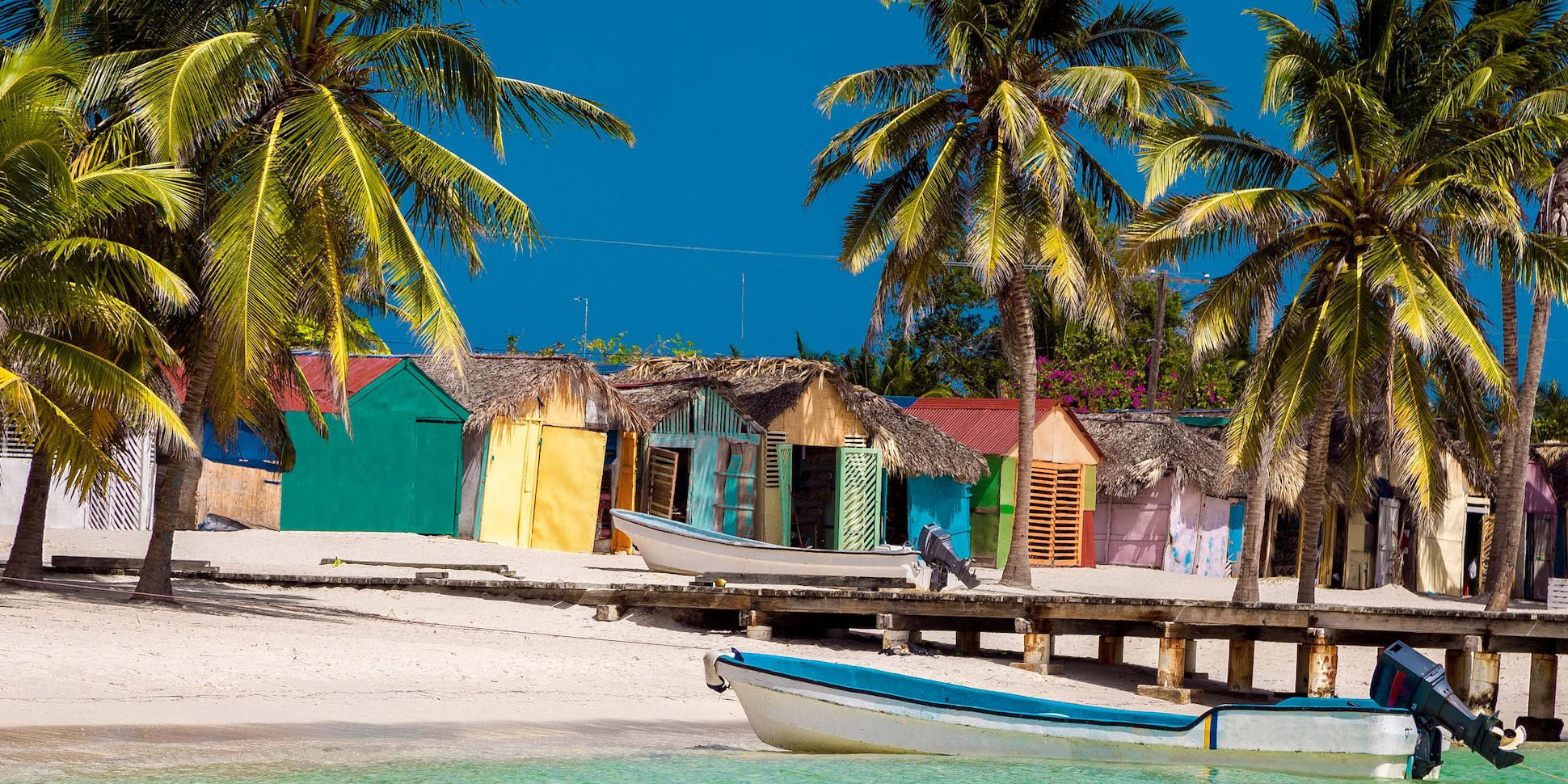
Escape the crowds and discover Saona Island: crystal‑clear waters, vibrant marine life and a relaxed, eco‑friendly vibe. A full day of nature and snorkeling — pure Caribbean beauty.

Already love snorkeling? Take the next step and discover real reefs, walls and shipwrecks with a certified PADI Instructor — no experience needed.
Start Your First DiveSwim over healthy corals, schools of fish and Caribbean drop‑offs — a world far beyond the surface.
Dive over shallow gardens, explore gentle coral walls and visit the Atlantic Princess wreck — perfect for beginners.
Full supervision, clear briefing and easy skills in shallow water — safe, calm and designed for first‑timers.
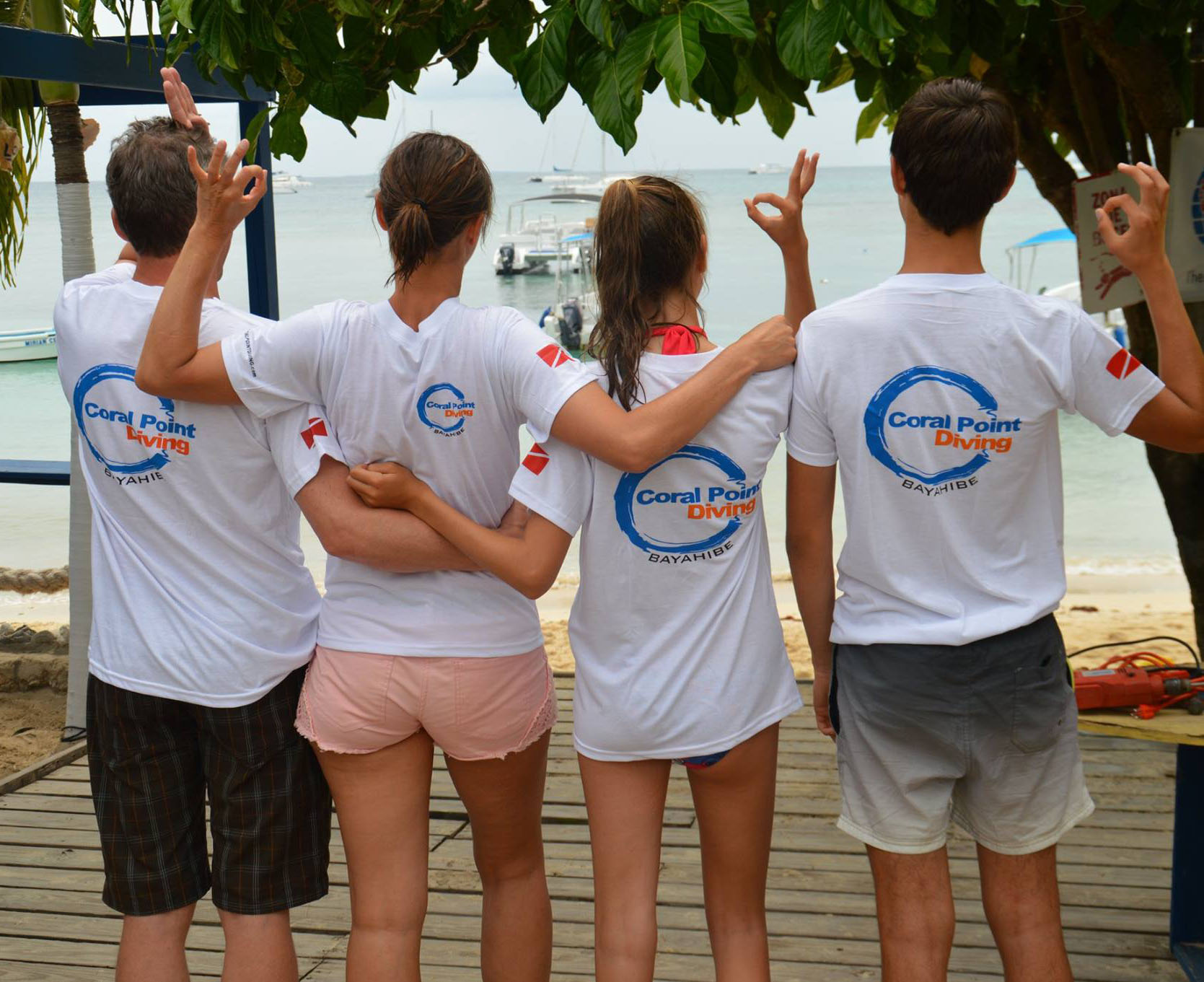 PADI 5★ IDC
Notre équipe
Une équipe internationale d’instructeurs de plongée/snorkeling et de biologistes marins, dédiée à la sécurité, à la qualité et à la protection des océans.
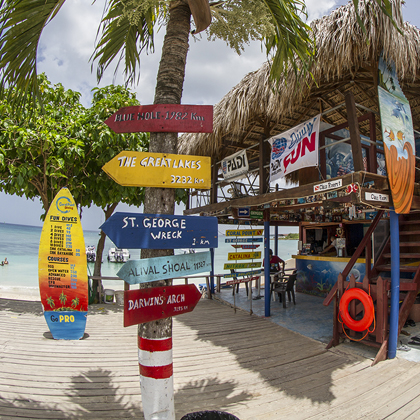
Sur la plage
Nous sommes directement sur la plage, au cœur de Bayahibe : équipement bien entretenu, logistique fluide et ambiance caribéenne authentique.
Avis des plongeurs
Des avis authentiques de plongeurs et snorkelers ayant découvert Coral Point Diving à Bayahibe.

At Coral Point Diving, safety starts with reliable gear. We maintain our equipment to the highest standards and offer quick technical assistance so you never miss a anorkeling excursion with us. Want to capture your adventure? Rent our GoPro underwater cameras and take home unforgettable memories of the Caribbean.
We recommend booking in advance (up to 4 weeks before your arrival). Email us at info@coralpointdiving.com — we reply quickly.
We accept Euros, US $, Dominican Pesos, credit/debit cards, bank transfers and PayPal (PayPal has 5% fee).
Email Us WhatsApp
Address: Calle la Baya, Bayahibe
Country: Dominican Republic
E-mail: info@coralpointdiving.com
Tel: +1 829 213 5823
WhatsApp: +1 829 213 5823
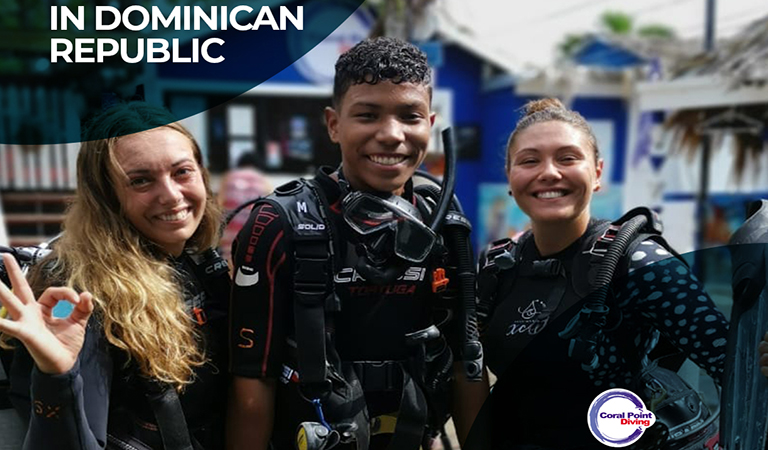
We share practical dive training insights, marine ecology notes and updates from the Caribbean diving scene.
Visit the BlogKeep neutral buoyancy and horizontal trim. Add small air bursts to your BCD and move slowly to protect corals and visibility.
Use gentle frog kicks or modified flutter. Avoid stirring the bottom—sand clouds reduce visibility and can damage marine life.
Look, don’t touch. Keep a respectful distance from turtles, rays and seahorses; never chase or block their path.
Check pressure and NDL regularly with your buddy. Signal your guide at 100 bar and start a relaxed ascent plan.
Keep hands close to the body; use slow finning to hold position. Avoid grabbing rocks, corals or the boat ladder underwater.
Use reef‑safe sunscreen, bring a reusable bottle, and follow your guide’s eco‑briefing to minimize impact.
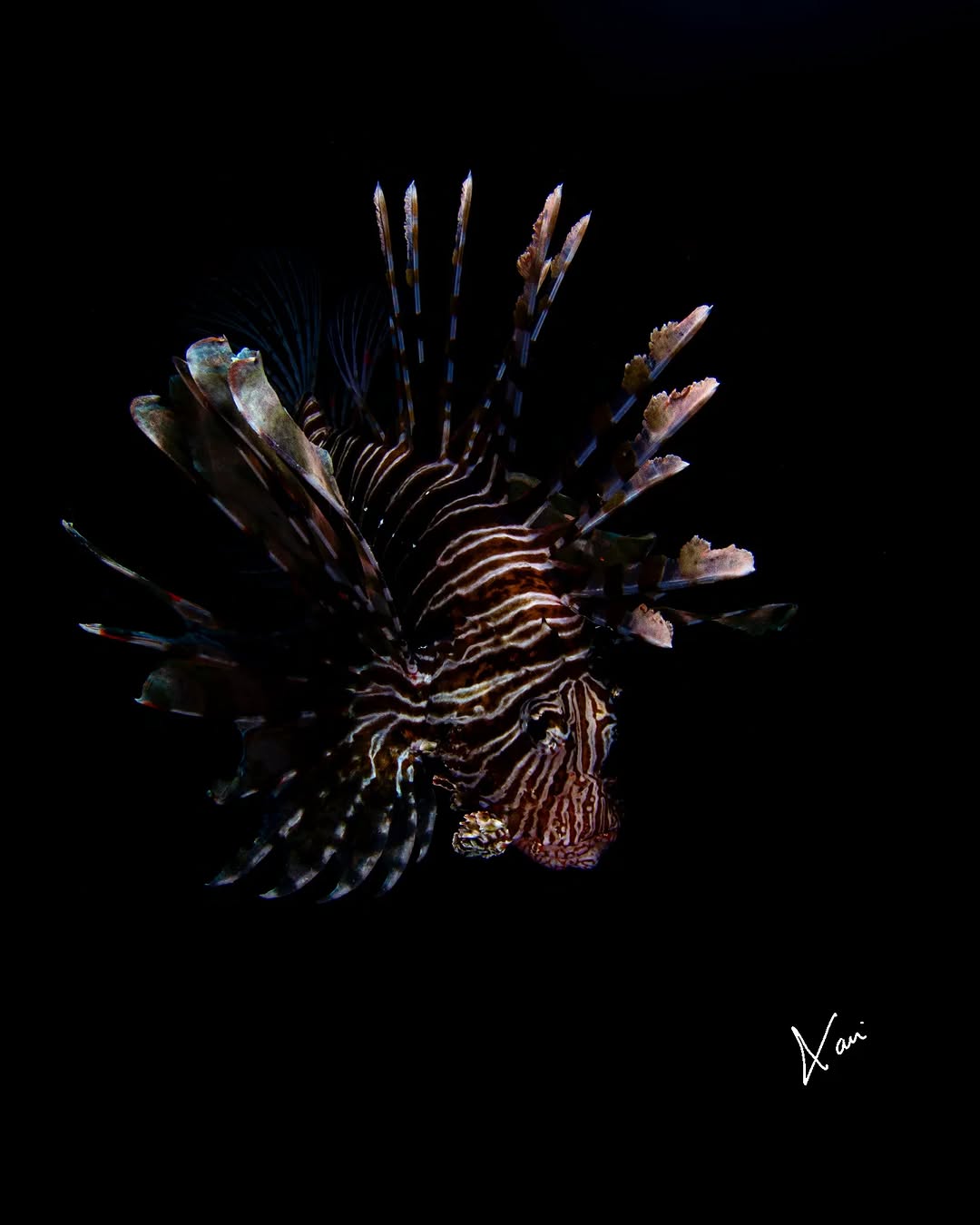
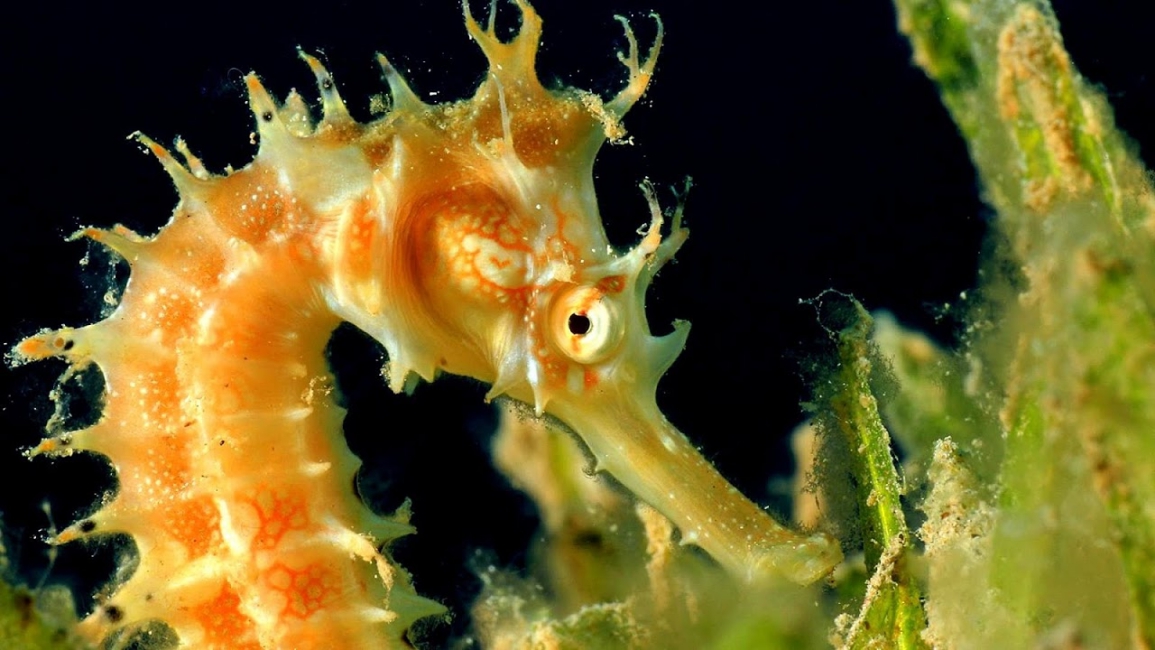
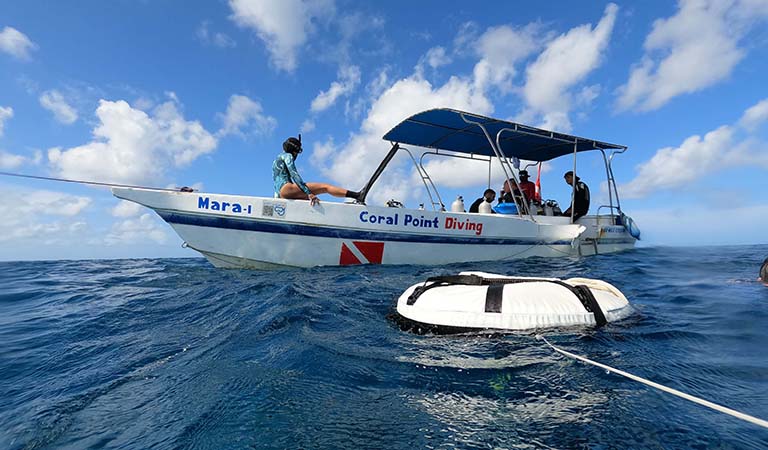

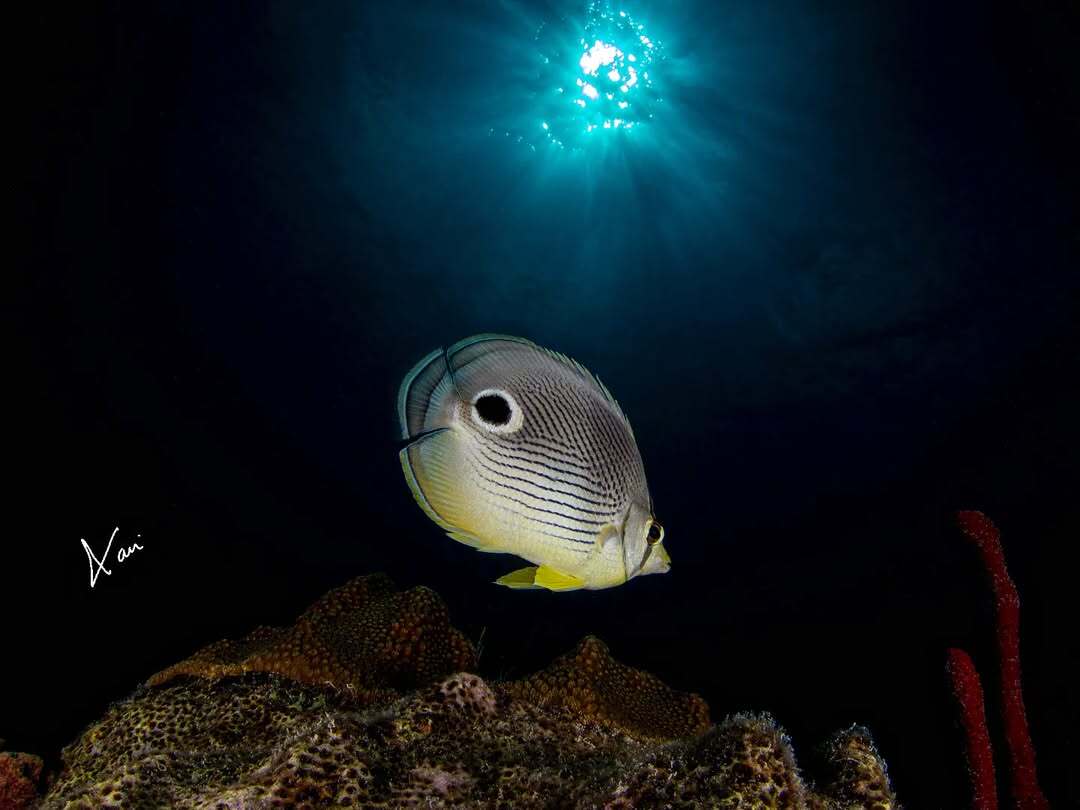
Photo credits: © Xavi / Coral Point Diving